Modern wellness routines often involve apps, smartphones, wearable trackers, subscriptions, and increasingly complicated dashboards. While technology can be useful, some people prefer a simpler approach: a small device that can be used for a short, structured session without requiring a phone.
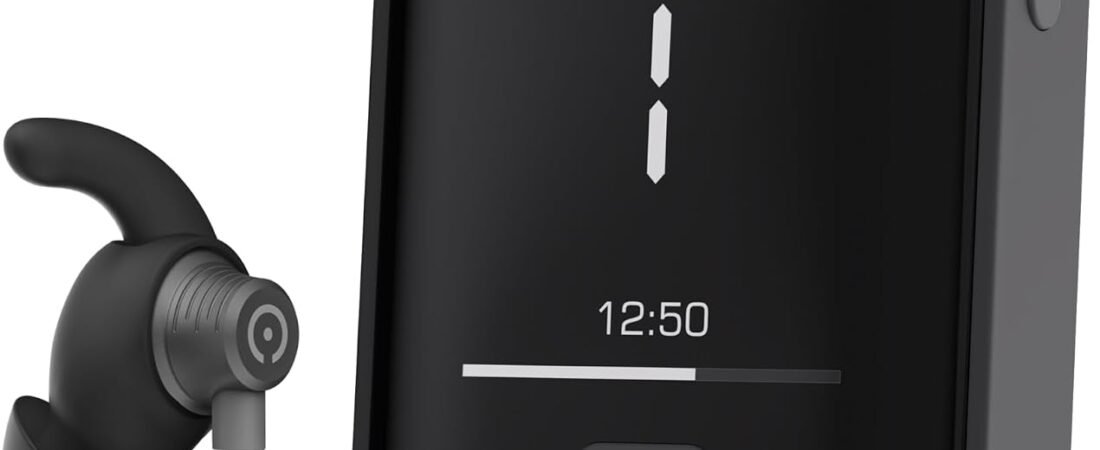
The Vita Mini Sleep & Daily Wellness Device is designed around that idea. It is a compact, ear-worn wellness device that uses transcutaneous auricular vagus nerve stimulation, commonly abbreviated as taVNS. The device provides two built-in modes, operates directly from its controller, and does not require an app, account, Bluetooth connection, or subscription for everyday use. Manufacturer information describes 20-minute sessions and 30 adjustable intensity levels.
Rather than approaching the device as a treatment for a particular medical condition, it is more useful to understand Vita Mini as a wellness tool intended to fit into routines involving rest, relaxation, and post-activity recovery. Its two-mode design is centered on Sleep and Refresh, giving users a straightforward way to create a repeatable routine at different points during the day.
This article explains how the Vita Mini works, what its two modes are intended for, how an ear-worn stimulation device fits into a daily routine, what to consider before using it, and how it compares with broader categories of wellness and relaxation devices.
What Is the Vita Mini?
The Vita Mini is a compact wearable wellness device that delivers gentle electrical stimulation through contact points positioned on the outer ear. According to the manufacturer, the stimulation targets areas associated with the auricular branch of the vagus nerve.
The vagus nerve is part of the body’s autonomic nervous system and is involved in communication between the brain and various organs. Auricular vagus nerve stimulation is an area of ongoing scientific research, with researchers investigating how non-invasive stimulation approaches may influence autonomic activity and other physiological processes.
Vita Mini applies this general concept through an ear-worn format rather than a neck-worn or handheld design. The manufacturer positions the device around short, 20-minute routines that can be incorporated before sleep, during a quiet break, after exercise, or following a demanding period of work.
One of the most noticeable characteristics of the Vita Mini is its standalone operation. The device is designed to be used without a companion smartphone application. That means there is no requirement to open an app, create an account, connect to a phone, or maintain a subscription before starting a session.
For someone who wants fewer digital distractions during a wellness routine, this approach can be relevant.
Key Features of the Vita Mini
Two Built-In Wellness Modes
The Vita Mini has two primary modes: Sleep and Refresh.
The Sleep mode is intended for use before resting, such as before bedtime or a nap. The Refresh mode is intended for daytime situations, including after exercise, after long work periods, or during other demanding moments when a person wants to transition toward a calmer routine.
The two-mode structure is deliberately simpler than devices that provide numerous specialized programs. Instead of selecting from a long list of settings, the user can choose between a sleep-oriented routine and a broader daytime refresh routine.
This can make the device easier to incorporate into a consistent schedule.
App-Free Operation
Vita Mini is designed to work directly from the device. The manufacturer states that sessions can be started without an app, account, or subscription.
This is particularly relevant for people who do not want another wellness application on their phone.
An app-free device also changes the nature of the experience. There is less emphasis on dashboards, notifications, statistics, progress charts, or smartphone interaction. Instead, the focus is on starting a session and taking a short period of time away from other activities.
20-Minute Sessions
Each Vita Mini session is designed to last approximately 20 minutes.
Twenty minutes can fit relatively easily into many daily routines. For example, someone might use the Sleep mode as part of a bedtime wind-down routine, while the Refresh mode could be used after a workout or during an afternoon break.
The fixed session structure also removes the need to decide how long to use the device each time. A user can build the session into a familiar routine rather than constantly adjusting the duration.
Adjustable Intensity
Manufacturer information indicates that Vita Mini provides 30 intensity levels.
Adjustable intensity is important for a stimulation device because individual sensation can vary. The manufacturer’s instructions recommend increasing the intensity until the sensation is comfortable rather than simply selecting the highest available setting.
A higher setting is not automatically more appropriate. Comfort and proper positioning should remain priorities.
Ear-Worn Design
Unlike wellness devices that wrap around the neck or use adhesive pads on the body, Vita Mini uses an ear-worn earpiece.
The manufacturer describes the device as targeting areas of the outer ear associated with the auricular branch of the vagus nerve. It is intended to be worn on the left ear.
An ear-worn design can also make the device easier to integrate into activities such as sitting quietly, reading, relaxing, or preparing for sleep.
Compact Setup
The Vita Mini package is described by the manufacturer as including the main device, earpiece, gel, water spray bottle, charging cable, storage pouch, warranty card, and user manual.
The inclusion of a storage pouch is useful for people who want to keep the components together when moving between home, work, the gym, or travel.
How the Vita Mini Works
The basic concept behind the device is non-invasive auricular vagus nerve stimulation.
The earpiece uses two contact points positioned on the outer ear. When a session is activated, the device sends gentle electrical pulses through these contacts. The manufacturer’s explanation states that the stimulation is intended to target areas associated with the auricular branch of the vagus nerve.
The broader scientific field of transcutaneous auricular vagus nerve stimulation, or taVNS, is being studied for its potential effects on autonomic nervous system activity and other physiological responses. However, research findings should not automatically be interpreted as evidence that every consumer wellness device will produce a particular health outcome.
That distinction is important.
A wellness device can be designed around a scientifically researched concept without meaning that it should be treated as a substitute for professional medical care or a proven treatment for a specific condition.
The Vita Mini is therefore best considered within the context of a personal wellness routine rather than as a replacement for diagnosis or treatment.
How to Use Vita Mini
The manufacturer’s basic setup process is straightforward.
First, the earpiece is connected to the controller. The device is then activated, and the earpiece is moistened using gel or water. After that, it is positioned in the left ear. The user selects one of the available modes and adjusts the intensity until the sensation is comfortable.
A simple routine can look like this:
- Connect the earpiece to the controller.
- Activate the device.
- Moisten the earpiece with the recommended gel or water.
- Place it correctly in the left ear.
- Select Sleep or Refresh.
- Adjust the intensity gradually.
- Complete the 20-minute session.
Following the manufacturer’s instructions is important, particularly because electrical stimulation devices depend on correct placement and appropriate intensity.
The goal should not be to make the stimulation as strong as possible. A comfortable, properly positioned session is more appropriate than increasing intensity simply because a higher number is available.
Using the Sleep Mode
The Sleep mode is designed for use before rest.
A person could incorporate a 20-minute session into the period between finishing evening activities and getting into bed. The routine might involve dimming the lights, putting away distracting devices, reading quietly, or practicing another calming activity while the session takes place.
The manufacturer describes Sleep mode as being intended to help users wind down before bedtime or a nap.
It is important, however, to keep expectations realistic. Sleep quality is influenced by many factors, including sleep schedule, light exposure, caffeine consumption, environment, stress, physical activity, and underlying health conditions.
A wellness device should therefore be viewed as one possible component of a broader sleep routine rather than a guaranteed solution for sleep difficulties.
Using the Refresh Mode
Refresh mode is positioned as the daytime option.
It may be incorporated after physical activity, following a demanding work period, or during a break when someone wants to pause and transition away from a high-pressure activity.
For example, someone might finish a workout, cool down, drink water, and then spend 20 minutes using the Refresh mode. Another person might use it after several hours of concentrated computer work.
The value of a routine like this does not necessarily depend on the device alone. Taking 20 minutes away from work or intense activity can itself create an opportunity to pause, breathe, and transition into another part of the day.
Where Vita Mini Can Fit Into a Daily Routine
One of the practical characteristics of Vita Mini is that it does not have to be restricted to one particular environment.
At Home
At home, the device can be incorporated into a morning, evening, or post-exercise routine.
A quiet environment can make it easier to dedicate the full 20 minutes to the session without interruptions.
Before Bed
Sleep mode can become part of a consistent pre-bed routine.
For example:
- Finish evening work.
- Reduce screen activity.
- Prepare for bed.
- Use the Vita Mini Sleep mode for 20 minutes.
- Continue with a normal bedtime routine.
The device does not replace basic sleep habits, but it can be incorporated alongside them.
After Exercise
Refresh mode can be used after training, walking, yoga, or another physical activity.
A post-workout routine might include hydration, gentle stretching, a cool-down period, and a 20-minute wellness session.
The manufacturer’s positioning specifically includes post-workout use as one of the intended applications for the Refresh mode.
During a Work Break
People who spend long periods at a desk may appreciate having a structured break that does not require checking another application.
A 20-minute session can serve as a defined pause between work blocks.
While Traveling
The compact design and lack of app dependency may also make the Vita Mini practical for travel.
A user can maintain a familiar wellness routine without relying on Wi-Fi, Bluetooth pairing, or a smartphone application.
Travelers should still consider charging requirements, storage, and the rules that apply to carrying electronic devices when flying.
Who May Find This Type of Device Suitable?
The Vita Mini may be worth considering for adults interested in incorporating a structured, non-invasive stimulation routine into their wellness habits.
People Who Prefer App-Free Devices
Someone who dislikes tracking everything through a smartphone may appreciate the standalone format.
There is no need to open an app to select a mode or begin a session.
People Building a Bedtime Routine
Adults who are already working on a consistent bedtime routine may consider adding a 20-minute session as one element of their evening schedule.
Active Adults
The Refresh mode is specifically positioned around post-workout and post-activity routines.
This makes the device relevant to people who like structured recovery periods after exercise.
People Who Prefer Simple Controls
Two modes can be easier to understand than a device with numerous specialized programs.
The Vita Mini focuses on two broad situations: sleep and daytime refresh.
Travelers
Because the device does not require an application or subscription, it can be useful for people who prefer a self-contained routine while away from home.
Important Things to Consider Before Using Vita Mini
Electrical stimulation devices deserve more consideration than ordinary accessories such as headphones or sleep masks.
It Is a Wellness Device, Not a Substitute for Medical Care
The device should not be treated as a replacement for professional diagnosis, medical treatment, prescribed medication, or other care recommended by a qualified healthcare professional.
People experiencing persistent insomnia, severe fatigue, unexplained symptoms, significant anxiety, or other ongoing health concerns should discuss those issues with an appropriate healthcare professional.
Check the Safety Information
The manufacturer states that Vita Mini is not recommended for people with implanted medical devices such as pacemakers or cochlear implants, people with epilepsy or a history of seizures, children or adolescents under 18, and pregnant individuals without physician approval. It also advises consulting a healthcare professional when someone has a medical condition or is uncertain about using a neuromodulation device.
These restrictions make it particularly important to read the current manufacturer’s safety information before use.
Comfort Matters
The stimulation should be comfortable.
The manufacturer’s instructions specifically recommend adjusting the intensity until the sensation is comfortable.
Users should not assume that a stronger sensation represents a better session.
If the device causes unexpected discomfort, irritation, pain, dizziness, or another concerning reaction, use should be stopped and appropriate professional advice sought.
Proper Ear Placement Is Important
The device is designed for a particular location on the ear. Incorrect positioning can affect how the stimulation feels and may interfere with the intended operation.
Users should follow the supplied instructions rather than experimenting with alternative placement locations.
Gel or Water May Be Required
The manufacturer instructs users to moisten the earpiece with gel or water before positioning it in the ear.
This is an important practical detail because the device is not simply a wireless earbud that can be put on and immediately used.
Keeping the included supplies together in the storage pouch can make preparation easier.
Results Can Vary
Individual responses to wellness technologies vary.
Factors such as sleep habits, stress levels, physical activity, expectations, sensitivity to electrical stimulation, and general health can all influence a person’s experience.
It is therefore more appropriate to approach the Vita Mini as a routine-based wellness tool rather than expecting a guaranteed outcome.
Vita Mini Compared With Other Wellness Device Categories
Understanding the difference between device categories can make it easier to determine whether an ear-worn stimulation product fits someone’s routine.
Vita Mini vs. Sleep Sound Machines
Sound machines work primarily through environmental audio. They can produce white noise, nature sounds, or other continuous background sounds intended to create a consistent auditory environment.
Vita Mini takes a completely different approach by using electrical stimulation through the ear.
Someone choosing between these categories should consider whether the primary goal is modifying the surrounding environment or incorporating a wearable stimulation session.
Vita Mini vs. Meditation Apps
Meditation applications generally rely on guided audio, timers, breathing exercises, or structured mindfulness programs.
Vita Mini does not require a smartphone application and does not depend on guided audio.
This makes the two categories quite different. A person who enjoys guided meditation may prefer an app-based routine, while someone seeking a phone-free session may prefer a standalone device.
Vita Mini vs. Massage Devices
Massage devices generally provide mechanical stimulation through vibration, percussion, pressure, or movement.
Vita Mini uses electrical stimulation through the outer ear instead.
These technologies should not be treated as interchangeable because they are designed around different mechanisms and use cases.
Vita Mini vs. Smart Wearables
Smartwatches and fitness trackers typically focus on measurement and data.
They may monitor activity, heart rate, sleep-related metrics, or other information depending on the device.
Vita Mini takes a different approach. Its purpose is centered on delivering a defined stimulation session rather than collecting a broad range of personal data.
For users who prefer fewer metrics, that distinction may be relevant.
Vita Mini vs. Other Vagus Nerve Stimulation Devices
The broader vagus nerve stimulation category includes different designs, modes, stimulation parameters, form factors, and intended applications.
Some products use the neck, while others use the ear. Some require smartphone apps, while others operate independently.
The Vita Mini uses an ear-worn format and provides two modes with 30 intensity levels and 20-minute sessions according to manufacturer information.
Comparing devices in this category therefore requires looking beyond the phrase “vagus nerve stimulation.” Placement, controls, session length, stimulation parameters, safety information, and intended users can all differ.
Creating a Practical Vita Mini Routine
A device becomes easier to use consistently when it is connected to an existing habit.
For sleep, the routine might begin approximately 20 minutes before the intended bedtime. Instead of treating the session as an isolated activity, it can become part of a sequence that includes reducing bright light, preparing clothing for the next day, reading, or other quiet activities.
For daytime use, Refresh mode can be attached to a predictable event such as finishing a workout or completing a demanding work block.
The key is consistency rather than complexity.
A simple routine might look like:
Morning: Normal daily activities without the device.
Afternoon: Refresh session after exercise or during a planned break.
Evening: Reduce stimulation from work and other demanding activities.
Before bed: Sleep session followed by the normal bedtime routine.
Not everyone needs to use both modes every day. The appropriate routine depends on personal preferences and the intended purpose of the session.
Why an App-Free Approach Can Matter
Many modern wellness products are designed around apps. While applications can offer useful tracking and personalization, they can also introduce additional steps.
An app-free product removes several potential friction points.
There is no need to:
- Download an application
- Create a user account
- Pair a phone
- Check a dashboard
- Maintain a subscription
- Keep the smartphone nearby during a session
The manufacturer specifically describes Vita Mini as a standalone device that can be used without an app or subscription.
That does not make an app-based product inherently better or worse. It simply means the Vita Mini is designed around a different user experience: start the device, select a mode, adjust the intensity, and complete the session.
Frequently Asked Questions
What is the Vita Mini?
Vita Mini is a compact ear-worn wellness device that uses non-invasive auricular vagus nerve stimulation. It is designed around two modes, Sleep and Refresh, with sessions intended to last 20 minutes.
Does Vita Mini require an app?
No. The manufacturer states that Vita Mini operates directly from the device and does not require an app, account, or subscription.
How long is a Vita Mini session?
A standard session is designed to last 20 minutes.
How many intensity levels does Vita Mini have?
Manufacturer information indicates 30 intensity levels.
What are the two modes?
The two modes are Sleep and Refresh. Sleep is intended for use before rest, while Refresh is positioned for daytime recovery and transitions after exercise, demanding work, or other stressful periods.
Which ear is Vita Mini designed for?
The manufacturer instructs users to place the earpiece in the left ear.
Does Vita Mini use electrical stimulation?
Yes. The manufacturer describes the device as delivering gentle electrical pulses through contact points on the outer ear to target areas associated with the auricular branch of the vagus nerve.
Does Vita Mini replace medical treatment for sleep problems?
No. It should not be considered a replacement for professional medical care. Persistent sleep problems or other ongoing symptoms should be discussed with a qualified healthcare professional.
Can everyone use Vita Mini?
No. The manufacturer’s safety information identifies several groups who should not use the device or who should obtain medical guidance first, including people with implanted medical devices, people with epilepsy or a history of seizures, children and adolescents under 18, and pregnant individuals without physician approval.
Can Vita Mini be used after exercise?
The Refresh mode is specifically intended for routines following exercise and other demanding activities.
Is Vita Mini suitable for travel?
Its compact, standalone format can make it practical for travel, and its operation does not depend on a smartphone application. Users should still plan for charging and keep the device and accessories together during transport.
Does Vita Mini track sleep?
Vita Mini is designed as an app-free standalone device, so it does not provide the type of smartphone-based sleep tracking and session-history experience associated with app-connected wearables. The manufacturer’s comparison information identifies session history and related tracking features with other ZenoWell products rather than Vita Mini.
Final Thoughts
The Vita Mini Sleep & Daily Wellness Device takes a relatively simple approach to personal wellness. Instead of combining numerous digital features, it focuses on a compact ear-worn design, two modes, adjustable intensity, 20-minute sessions, and operation without a smartphone application or subscription.
Its two modes give the device a straightforward structure. Sleep is designed around pre-rest routines, while Refresh is intended for daytime situations such as post-workout recovery, work breaks, or periods when someone wants to transition away from a demanding activity.
The most important consideration is not simply the number of modes or intensity settings. It is whether this type of non-invasive stimulation fits comfortably and appropriately into an individual’s wellness routine.
Because Vita Mini involves electrical stimulation, prospective users should also read the current safety instructions and consider their personal circumstances before use. People with medical conditions, implanted electronic devices, seizure disorders, pregnancy, or uncertainty about neuromodulation should obtain appropriate professional guidance before using the device.
For adults who prefer a structured wellness session without another smartphone application, Vita Mini offers a standalone approach centered on sleep and daytime refresh routines.