Introduction
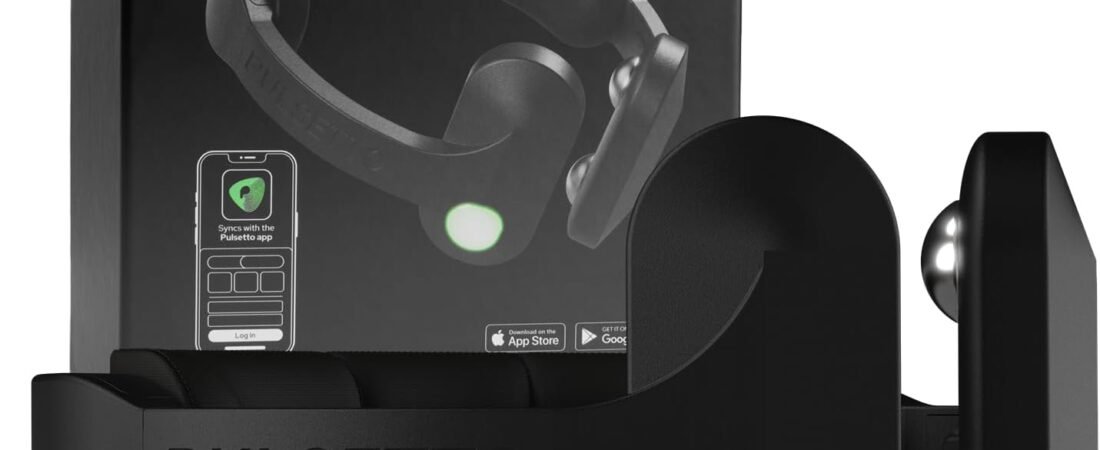
Technology designed for everyday wellness has expanded beyond fitness trackers and traditional smartwatches. Today, wearable devices can be designed around specific routines such as relaxation, breathing exercises, sleep preparation, and stress management. One example is the FIT (V2) Wellness Wearable, a neck-worn device from Pulsetto that uses non-invasive transcutaneous vagus nerve stimulation, or tVNS, together with a companion mobile application.
The product is positioned as a wellness tool rather than a conventional fitness tracker. Instead of primarily counting steps, displaying notifications, or recording workouts, it is designed around guided stimulation sessions and app-based wellness programs. Pulsetto’s current product information describes the FIT as a hands-free, dual-stimulation wearable that works with its mobile app and includes programs related to stress, sleep, calm, focus, and release.
This distinction is important when considering a device in this category. A wellness wearable can become part of a daily routine, but it should not automatically be viewed as a medical treatment or a replacement for professional healthcare. Pulsetto itself states that its product is intended for general wellness and is not intended to diagnose, treat, cure, or prevent disease.
The FIT (V2) is designed to be used around the neck, with conductive gel applied to its contact points before a session. The device connects to the Pulsetto app, where users can select different programs and manage sessions. Current manufacturer information also describes features such as USB-C charging, wearable integrations, app-based tracking, guided breathing, and optional premium content.
For someone considering this type of technology, understanding what the device actually does is more useful than focusing only on broad wellness terminology. This guide explains the FIT (V2)’s main characteristics, how a wearable vagus nerve stimulation device fits into a daily routine, who may find this type of product relevant, important considerations before use, and how it compares with other categories of relaxation and wellness technology.
Key Features
Neck-Worn Wellness Design
The FIT (V2) is designed to be worn around the neck rather than on the wrist like a conventional smartwatch or fitness tracker.
Its form factor is directly related to its intended function. The device uses electrical stimulation delivered through the skin around the neck, with the manufacturer describing the technology as transcutaneous vagus nerve stimulation.
A hands-free design can be useful because the user does not have to hold the device during a session. Once positioned correctly, the user can sit, relax, breathe, read, or follow an accompanying guided routine.
The exact fit is important because the stimulation contacts need to remain positioned appropriately against the skin.
Transcutaneous Vagus Nerve Stimulation
The central technology behind the FIT (V2) is transcutaneous vagus nerve stimulation, commonly abbreviated as tVNS.
Rather than using an implanted device or a clinical procedure, tVNS delivers electrical stimulation through electrodes placed on or near the skin.
The vagus nerve is associated with the parasympathetic nervous system, which is involved in functions related to rest and recovery. Pulsetto’s product information describes its wearable as being designed to stimulate the vagus nerve through the skin.
It is important to distinguish the technology from medical treatment claims. The presence of a stimulation technology does not mean that an individual device is a treatment for a particular medical condition. The manufacturer explicitly positions Pulsetto as a general wellness product rather than a device intended to diagnose, treat, cure, or prevent disease.
Dual Stimulation
Pulsetto describes the FIT as a dual-stimulation device, with bilateral stimulation delivered through its neck-worn design.
For consumers, the practical significance is that the device is designed specifically around its intended neck placement rather than functioning like a general-purpose electrical stimulation unit.
This specialized design is part of the reason the accompanying application plays such an important role in the overall system.
Companion Mobile App
The hardware is intended to work together with the Pulsetto application.
According to current manufacturer information, the app is available for iOS and Android and is required for using the device. It provides access to stimulation programs and additional wellness features.
The free app currently includes five core programs, with the manufacturer’s pages describing options such as Sleep, Stress, Calm, Focus, and Release. Additional premium programs and features are available through the optional premium offering.
This app-based approach means that the wearable is not simply a standalone electronic accessory. The software is part of the intended user experience.
Guided Wellness Programs
The application organizes stimulation into different programs rather than requiring users to independently determine how to operate the electrical stimulation.
Current product information lists programs designed around areas such as sleep, stress, calm, focus, and release.
This can make the device easier to integrate into a routine because the user can select a session according to the time of day or personal wellness goal.
For example, a user might associate a relaxation-oriented session with the end of a workday or a sleep-oriented session with a pre-bedtime routine.
The programs should be understood as wellness tools rather than guaranteed solutions for sleep problems, stress disorders, or other medical conditions.
USB-C Rechargeable Design
The FIT uses USB-C charging according to the manufacturer’s product information.
Rechargeable operation can be convenient for people who intend to use the device regularly.
Instead of replacing disposable batteries, users can recharge the device and keep it ready for another session.
Battery life can vary depending on usage and operating conditions. Pulsetto’s product materials have described approximately a week or more of typical daily use for the FIT, while specific battery performance can depend on the usage pattern and current product configuration.
Conductive Gel
The device uses conductive gel on its contact points.
The gel helps create appropriate electrical contact between the wearable and the skin. The current product information indicates that a 60-gram tube is included and describes it as providing approximately 30 days of use.
This is an important practical detail because the gel is part of the intended operating process.
Users should follow the manufacturer’s instructions concerning application, skin preparation, cleaning, and replacement.
Wearable Integration
The Pulsetto application can integrate with other health and fitness platforms, with the manufacturer currently listing Apple Health, Garmin, Whoop, and Oura among supported integrations.
This can be useful for people who already maintain a broader wellness ecosystem.
Instead of viewing the stimulation device in isolation, users can potentially combine its session information with other personal wellness data.
As always, data from consumer wellness devices should be treated as informational rather than as a substitute for professional medical assessment.
How It Can Be Used
As Part of a Relaxation Routine
One of the most straightforward applications for the FIT (V2) is incorporating a short session into a relaxation routine.
A user might sit somewhere quiet at the end of the workday, position the device correctly, apply the conductive gel, open the app, and select an appropriate program.
The routine itself can be just as important as the technology.
Reducing distractions, sitting comfortably, slowing the breathing rate, and taking a few uninterrupted minutes can create a transition between a busy period and a quieter part of the day.
The wearable can become one component of that routine rather than being treated as the entire relaxation strategy.
Before Bedtime
Pulsetto currently provides a sleep-oriented program designed to be used before bed. Its product information describes the sleep session as part of a wind-down routine, with the current program guidance referring to a session approximately 30 minutes before bedtime.
A consistent pre-sleep routine can include several habits:
- Reducing bright screen exposure
- Dimming room lighting
- Keeping the bedroom comfortable
- Avoiding unnecessary distractions
- Practicing slow breathing
- Maintaining a consistent bedtime
- Using a relaxation or wellness session
The wearable can be incorporated into this broader routine.
It should not be viewed as a guaranteed solution for insomnia or other sleep disorders. Persistent sleep problems can have many causes and may warrant discussion with a qualified healthcare professional.
During a Work Break
A short wellness session can also be used during a break from work.
Someone who spends several hours working at a computer may use a brief session as a structured pause between tasks.
The goal in this context is not necessarily to stop working for a long period. Instead, the session can create a clear break in an otherwise continuous schedule.
Combining the device with controlled breathing or simply sitting quietly can make the break more intentional.
As Part of a Morning Routine
Although relaxation technology is often associated with evening use, a wellness wearable can also be incorporated into a morning routine.
Some users may prefer a brief session before beginning a busy day, while others may find it more useful later.
The FIT app includes programs associated with focus and other wellness goals, although individual responses can vary.
The key is consistency and selecting a routine that fits naturally into the user’s schedule.
With Guided Breathing
The Pulsetto app includes guided breathing content alongside stimulation programs. Current manufacturer information lists dozens of breathing sessions and a large library of affirmations as part of its broader app experience.
Breathing exercises can be practiced independently of the wearable, but combining a guided breathing session with a dedicated relaxation period can make the routine easier to follow.
This also gives users a non-electrical component of the wellness experience.
Who It May Be Suitable For
Adults Interested in Wellness Technology
The FIT (V2) may be relevant to adults who enjoy experimenting with structured wellness routines and wearable technology.
It offers a different approach from conventional fitness trackers by focusing on guided stimulation and relaxation-oriented programs.
People Building a Relaxation Routine
Someone who wants a dedicated reminder to pause during the day may appreciate a device centered around short sessions.
The value in this case may come partly from routine formation rather than from relying on technology alone.
Users Interested in Sleep Preparation
People who already have a consistent bedtime routine may consider adding a wellness session as one element of that routine.
The product is positioned around supporting relaxation and sleep preparation, but individual outcomes can vary and the manufacturer does not position it as a treatment for sleep disorders.
Wearable Technology Users
People who already use Apple Health, Garmin, Whoop, or Oura may find the ability to connect wellness data across platforms relevant.
This can make the FIT part of a broader personal wellness tracking system.
People Who Prefer Short Sessions
The manufacturer describes short sessions for several programs, including four-minute sessions for some purposes and a longer sleep-oriented routine.
Short sessions can be easier to maintain than lengthy routines for people with busy schedules.
Important Things to Consider
It Is a Wellness Device, Not a Substitute for Medical Care
This is perhaps the most important distinction.
The FIT (V2) is marketed as a general wellness product. Pulsetto states that it is not intended to diagnose, treat, cure, or prevent disease or medical conditions.
If someone has persistent sleep difficulties, significant anxiety, unusual heart symptoms, neurological concerns, or another health issue, the appropriate response is to consult a qualified healthcare professional rather than relying solely on a consumer wearable.
Understand Vagus Nerve Stimulation
The term “vagus nerve” can sound highly medical, but the consumer application should be understood carefully.
The vagus nerve is a major component of the autonomic nervous system and is associated with parasympathetic regulation.
Transcutaneous stimulation is an area of ongoing scientific research. Evidence around different stimulation methods, locations, protocols, and outcomes varies, so claims should not be generalized from one research setting to every consumer device or every individual.
The FIT should therefore be considered within the manufacturer’s stated wellness positioning.
Check Safety Guidance
Electrical stimulation devices require attention to safety instructions.
Pulsetto’s current product information specifically states that the device is not recommended for individuals with active implantable medical devices, including pacemakers, implanted hearing devices, or other electronic implants, and advises consulting a healthcare provider in such circumstances.
Anyone with a medical condition, implanted device, or uncertainty about whether electrical stimulation is appropriate should consult a qualified healthcare professional before using such a device.
Skin Contact Matters
The device is positioned against the neck and uses conductive gel.
Users should follow the manufacturer’s instructions concerning placement and skin condition.
If the skin becomes irritated, uncomfortable, or unusually sensitive, use should be stopped and appropriate guidance sought.
The conductive gel is not simply an optional accessory; it forms part of the intended electrical contact process.
Fit Can Affect the Experience
Because the device is worn around the neck, fit is important.
Pulsetto’s FIT model has been described as including removable magnetic padding options designed to accommodate different neck sizes.
A device that is positioned incorrectly may not provide the intended contact.
Users should follow the placement instructions instead of improvising the position.
Individual Responses Vary
Wellness technology does not affect every person in exactly the same way.
One individual may find a structured relaxation routine useful, while another may notice little difference.
The manufacturer itself notes that individual results may vary and presents the device as a wellness product rather than a medical treatment.
It is therefore better to evaluate the device as part of a personal routine rather than expecting a guaranteed outcome.
App and Account Requirements
The FIT is designed to work with the Pulsetto app, so smartphone compatibility and application access are practical considerations.
The manufacturer currently states that the app is available for iOS and Android and is required to use the device.
Users should also understand which features are included without a subscription and which are associated with premium access.
Current product information lists five core programs with the device and additional premium features through an optional subscription offering.
Consider Long-Term Routine
A wearable is more likely to become useful if it fits naturally into everyday life.
Before choosing this type of product, think about when the sessions would actually happen.
Would it be used before bed? During a work break? In the morning? After exercise?
If there is no realistic place for a session in the daily schedule, even a technically sophisticated device may remain unused.
Comparison of General Wellness Device Categories
The FIT (V2) belongs to a broader category of wellness technology. Understanding how different categories work can help clarify its intended role.
Vagus Nerve Stimulation Wearables
Devices in this category use electrical or other forms of stimulation intended to influence the vagus nerve or related pathways.
They tend to be more specialized than conventional fitness trackers.
The FIT is positioned within this category and combines neck-worn stimulation with an app-based wellness system.
Fitness Trackers
Fitness trackers generally focus on activity, heart rate, movement, exercise, and related measurements.
They are useful for monitoring physical activity but may not provide dedicated stimulation sessions.
Some users may combine a fitness tracker with a wellness wearable rather than choosing between the two.
Smartwatches
Smartwatches combine health tracking with communication and smartphone features.
They can measure various wellness metrics, display notifications, provide apps, and sometimes offer guided breathing exercises.
Their broad feature set is different from a specialized wearable centered on a particular wellness routine.
Meditation and Breathing Apps
Smartphone apps can provide guided meditation, breathing exercises, relaxation audio, and sleep routines without requiring additional hardware.
They may be simpler to start with because the user already owns a smartphone.
A dedicated wearable, however, provides a physical device and stimulation component that an ordinary meditation application does not.
Sleep Trackers
Sleep-focused devices are designed primarily to monitor sleep patterns and related metrics.
They can help users observe trends over time.
The FIT takes a different approach by focusing on guided stimulation and relaxation routines rather than functioning primarily as a sleep-monitoring device.
General Electrical Stimulation Devices
Some electrical stimulation products are designed for other purposes, including muscle stimulation or physical therapy applications.
These should not automatically be considered interchangeable with a device specifically designed for transcutaneous vagus nerve stimulation.
The intended use, electrode placement, stimulation parameters, and safety instructions can differ substantially.
Creating a Balanced Daily Wellness Routine
A wellness wearable can be more useful when combined with basic habits rather than treated as a standalone solution.
Maintain Consistent Sleep Times
Going to bed and waking at roughly consistent times can provide structure to a sleep routine.
Reduce Evening Stimulation
Reducing bright screens, intense work, and unnecessary notifications before bed can help create a clearer transition into nighttime.
Practice Slow Breathing
Controlled breathing can be practiced with or without a wearable.
The Pulsetto app includes guided breathing resources that can be incorporated into relaxation sessions.
Move During the Day
Regular physical activity is another important part of general wellness.
A relaxation wearable should complement healthy lifestyle habits rather than replace them.
Create a Consistent Environment
A quiet, comfortable environment can make it easier to focus on relaxation.
The device can be used as one component of that environment.
Understanding the App Experience
The software component is an important part of the FIT system.
Current Pulsetto information describes five core programs included with the device, while premium access adds additional programs and features.
The app also provides guided breathing and affirmation content, integrations with several wearable platforms, and tracking features such as a stress-resilience score in supported configurations.
This makes the product more than a simple electronic stimulation device.
The app provides structure around when and how the device is used, which may be useful for people who prefer guided routines rather than deciding independently how to organize each session.
The current application also supports offline use according to the manufacturer, allowing sessions to be used without continuous Wi-Fi connectivity.
Frequently Asked Questions
What is the FIT (V2) Wellness Wearable?
The FIT (V2) is a neck-worn wellness device from Pulsetto that uses transcutaneous vagus nerve stimulation and a companion mobile app. It is designed around wellness routines involving relaxation, stress management, sleep preparation, and related goals.
How does the FIT (V2) work?
The device is positioned around the neck and uses conductive gel on its contact points. It delivers electrical stimulation through the skin while the user selects a program through the Pulsetto application.
Is the FIT (V2) a medical device?
Pulsetto presents the product as a general wellness device and states that it is not intended to diagnose, treat, cure, or prevent disease or medical conditions.
Can it be used for sleep?
The Pulsetto app includes a sleep-oriented program designed as part of a bedtime wind-down routine. Individual results can vary, and persistent sleep difficulties should be discussed with a healthcare professional rather than relying exclusively on a wellness device.
Does it require conductive gel?
Yes. The manufacturer indicates that conductive gel should be applied to the device’s contact points before use and currently includes a 60-gram tube with the device.
Does the FIT (V2) connect to a smartphone?
Yes. The device is designed to work with the Pulsetto app, which is available for iOS and Android.
What programs are available?
The current free app experience includes five core programs described around areas such as Sleep, Stress, Calm, Focus, and Release. Additional premium programs and content may be available through the optional premium service.
Can it be used with other wearable devices?
Pulsetto currently lists integrations with Apple Health, Garmin, Whoop, and Oura, allowing the app to work as part of a broader wellness-data ecosystem.
How is the FIT (V2) charged?
The device uses USB-C charging according to the manufacturer’s current product information.
How long does the battery last?
Pulsetto’s current materials describe approximately a week or more of daily use for the FIT, with another product page describing roughly 1.2 weeks depending on usage. Actual battery performance can vary based on session frequency and operating conditions.
Who should be cautious about using the device?
People with active implantable electronic devices such as pacemakers or implanted hearing devices should not use Pulsetto without appropriate medical guidance. The manufacturer specifically advises consultation with a healthcare provider in these circumstances.
Anyone uncertain about electrical stimulation because of a health condition, medication, pregnancy, or another individual circumstance should discuss the product with a qualified healthcare professional before use.
Can the device replace meditation or healthy lifestyle habits?
No single wellness device should be viewed as a replacement for foundational habits such as adequate sleep, regular physical activity, balanced nutrition, stress-management practices, and appropriate healthcare.
The FIT can be incorporated into a broader routine, but it is better considered one tool among several.
Is the FIT (V2) suitable for everyday use?
The product is designed around recurring wellness sessions, and Pulsetto provides programs intended for regular routines.
However, individual suitability depends on the person’s health circumstances, comfort, and response to stimulation. Following the manufacturer’s instructions is important.
Conclusion
The FIT (V2) Wellness Wearable represents a specialized approach to consumer wellness technology. Rather than functioning primarily as a smartwatch or activity tracker, it combines a neck-worn stimulation device with a mobile application designed around relaxation, stress management, sleep preparation, focus, and other wellness routines.
Its key characteristics include transcutaneous vagus nerve stimulation, hands-free neck placement, conductive-gel contact points, multiple app-guided programs, USB-C charging, and integration with selected health and fitness platforms. Current manufacturer information also describes guided breathing resources, optional premium content, and tracking features designed to help users organize their wellness routines.
The most important consideration is understanding what this technology is and what it is not. The FIT is presented as a general wellness product, not as a substitute for professional medical care or a guaranteed treatment for a health condition. Pulsetto explicitly states that the product is not intended to diagnose, treat, cure, or prevent disease.
For someone interested in structured relaxation sessions, the wearable may fit naturally into a daily routine. It can be used during a work break, as part of an evening wind-down routine, or alongside guided breathing and other wellness practices. The companion app adds structure by providing different programs and optional tracking features.
At the same time, users should consider smartphone compatibility, conductive-gel requirements, device fit, battery charging, subscription features, and safety guidance before deciding whether this category of wearable makes sense for them. People with implanted electronic devices or specific health concerns should seek appropriate professional guidance before using electrical stimulation technology.
Ultimately, the value of a wellness wearable depends not only on its technology but also on how realistically it fits into everyday life. A short, consistent routine that complements healthy sleep, movement, breathing, and relaxation habits may be more practical than treating any single device as a complete wellness solution.